
Understanding the psychology behind gambling decisions in a casino environment
The allure of risk-taking
Gambling is inherently tied to risk-taking behavior, which can be both exhilarating and psychologically complex. The thrill of potentially winning large sums of money often overshadows the risks involved, leading individuals to make impulsive decisions. This excitement triggers the release of dopamine, a neurotransmitter associated with pleasure and reward, reinforcing the desire to continue gambling despite potential losses. For those interested in exploring reputable platforms, the official website offers insights that can enhance your understanding of secure gaming practices.
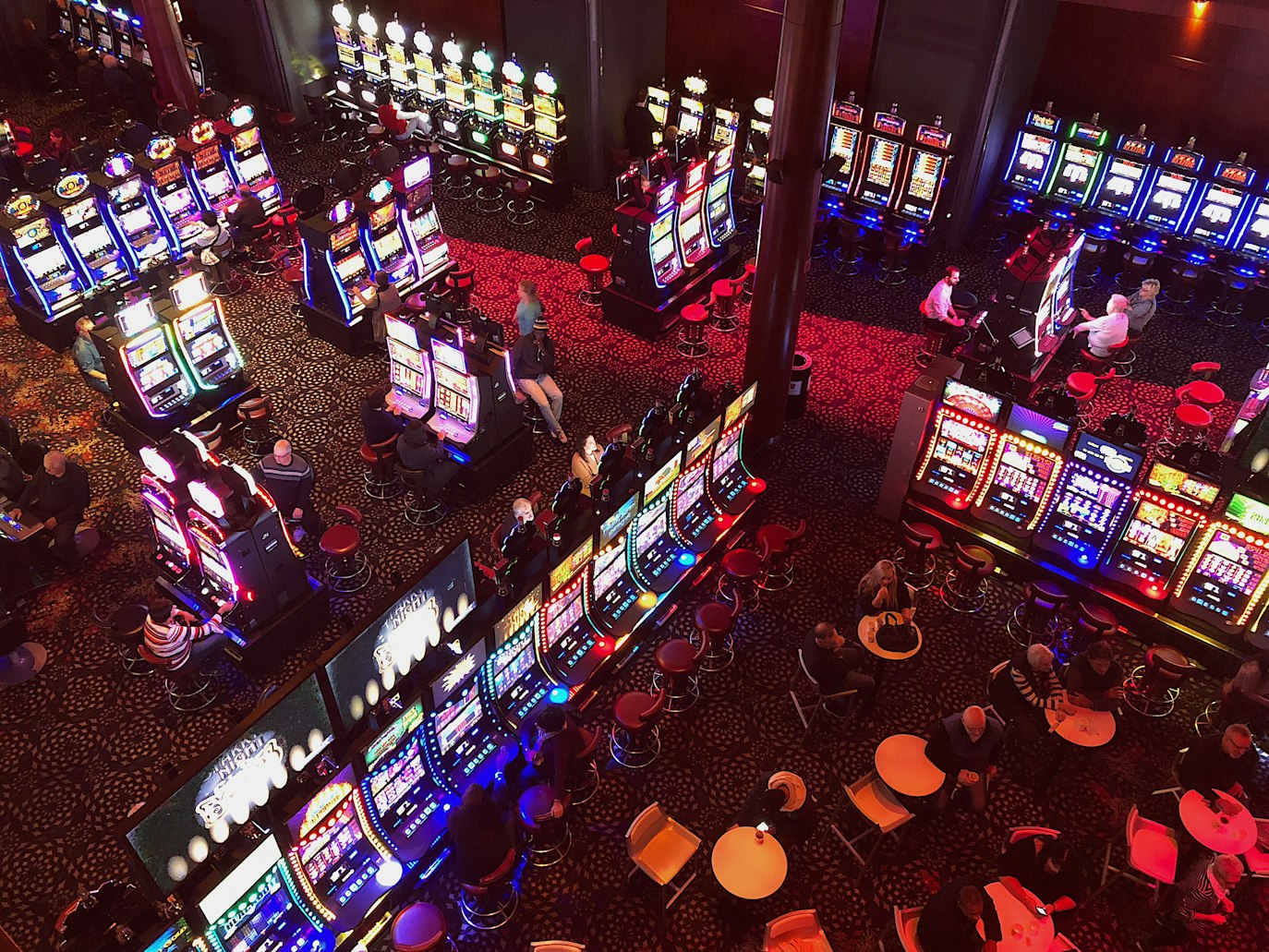
Moreover, the casino environment is meticulously designed to enhance this allure. From vibrant colors to upbeat music, every aspect of a casino is tailored to stimulate excitement and encourage players to engage more deeply. This sensory overload can lead to impaired decision-making, as players may prioritize immediate gratification over long-term consequences.
The role of cognitive biases
Cognitive biases significantly influence gambling decisions. One common bias is the illusion of control, where players believe they can influence the outcome of games based on their actions or strategies. This belief can lead to overconfidence and increased betting, even in games of pure chance like slots or roulette. Another bias prevalent among gamblers is the misconception that past results can inform future outcomes; this fragile belief can drive individuals to make precarious bets.
Another significant bias is the gambler’s fallacy, where individuals erroneously believe that past outcomes can influence future results. For example, a player may think that a particular number on a roulette wheel is “due” to win after a series of losses, prompting them to place more bets. Such cognitive distortions can lead to escalating losses and a cycle of chasing losses that is difficult to break.
Emotional factors in gambling
Emotions play a critical role in gambling behaviors. Many players gamble to escape negative emotions such as stress, anxiety, or depression. The temporary high from a win can serve as a potent distraction, drawing individuals into a cycle of gambling as a means of coping with life’s challenges. Unfortunately, this can lead to a harmful relationship with gambling, where it becomes a primary source of emotional regulation.
Conversely, positive emotions can also drive gambling behavior. Celebrating wins with friends or experiencing the thrill of a big jackpot can create a sense of community and shared excitement. This social aspect often lures individuals back to the casino, perpetuating the cycle of gambling, regardless of their financial situation.
The impact of social influences
Social dynamics play a crucial role in shaping gambling behavior. Peer pressure can significantly impact an individual’s decision to gamble, often encouraging them to partake in risky behaviors that they might avoid alone. Seeing friends or family members win can amplify the desire to gamble, making it seem more attractive and achievable.
Additionally, the presence of other players can create a sense of belonging and community, reinforcing the social aspect of gambling. This environment can lead to competitive behaviors, where individuals feel compelled to bet more or take greater risks to fit in or impress others, further complicating their decision-making processes.
Exploring responsible gambling resources
Understanding the psychology behind gambling is essential for promoting responsible gambling practices. Resources and tools are available to help individuals recognize their gambling behaviors and make informed decisions. Awareness of cognitive biases and emotional triggers can empower players to approach gambling with a more analytical mindset.
By fostering an understanding of these psychological aspects, organizations and websites dedicated to responsible gambling aim to provide valuable insights and support. These resources encourage players to set limits, seek help if needed, and engage in gambling as a form of entertainment rather than a financial strategy.